Powered By Blogger
Showing posts with label Chemical Bonding. Show all posts

Monday, May 9, 2016

Covalent Bonds

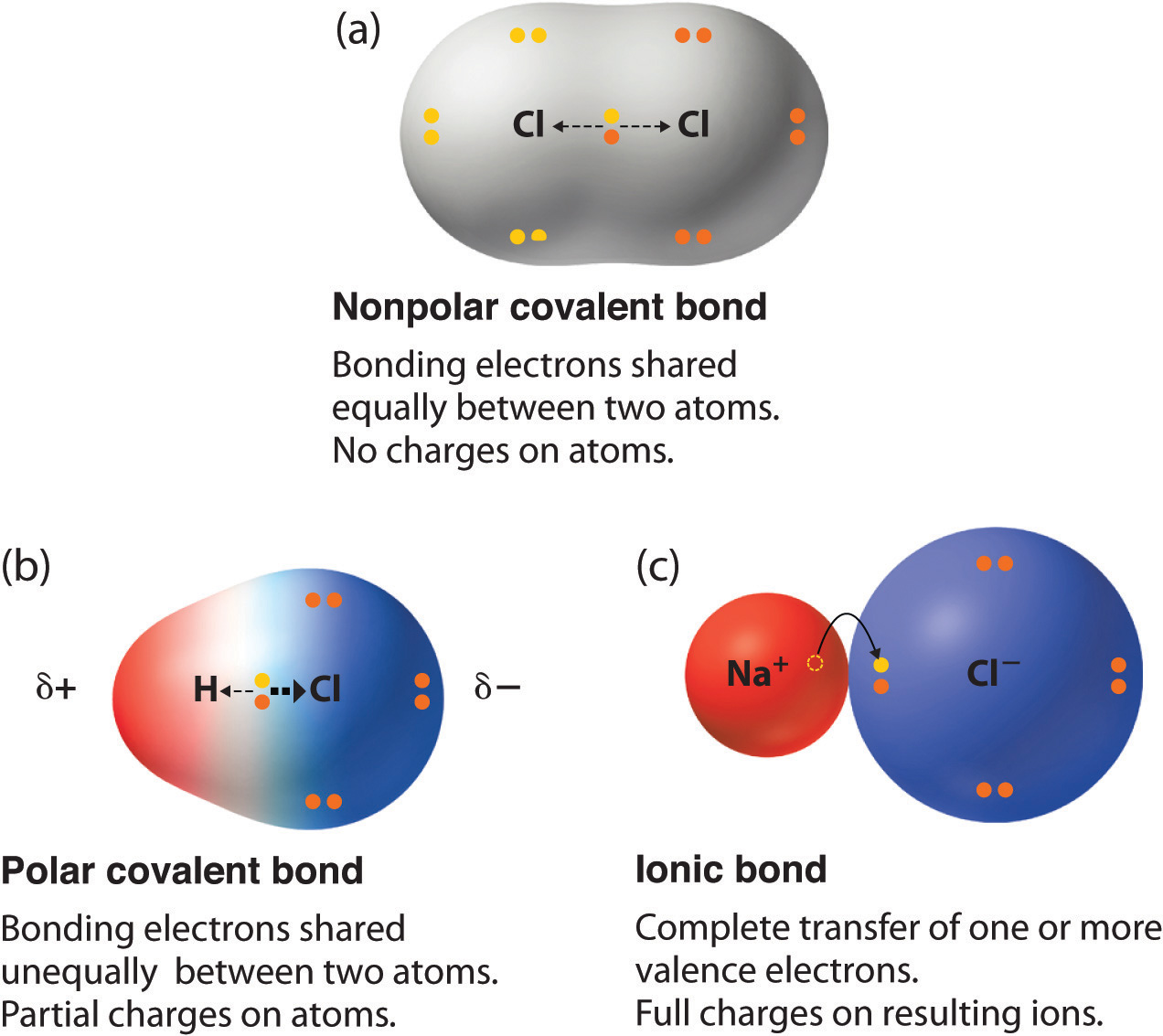
Result of sharing of electrons by two nonmetal atoms
BOTH atoms fill their octet (H exception)
Octet is satisfied when the two atoms are combined
http://quatr.us/chemistry/atoms/covalent.htm

http://chemwiki.ucdavis.edu/Core/Theoretical_Chemistry/Chemical_Bonding/General_Principles_of_Chemical_Bonding/Covalent_Bonds

Covalent Bonding Video

Bonding

Electron Dot Formulas
-includes bonded and unbonded electron pairs

1) Calculate the total number of valence electrons by adding all of the valence electrons for each atom in the molecule
2) Divide the total valence electrons by 2 to find the number of electron pairs in the molecule
3) Surround the central atom with 4 electron pairs
Use the remaining electron pairs to complete the octet around the other atoms. H is the only exception, which only needs 2 electrons
4) Electron pairs that are shared by atoms are called bonding electrons
Others used to complete octets are lone pairs
5) If there are not enough electron pairs to provide each atom with an octet, move a nonbonding electron pair between two atoms that already share an electron pair

Wednesday, March 9, 2016

Chemical Bonding

Chemical Bonding
Lewis Dot Structure/Electron placement
1. Use the valence electrons
2. Place the valence electrons around the symbol

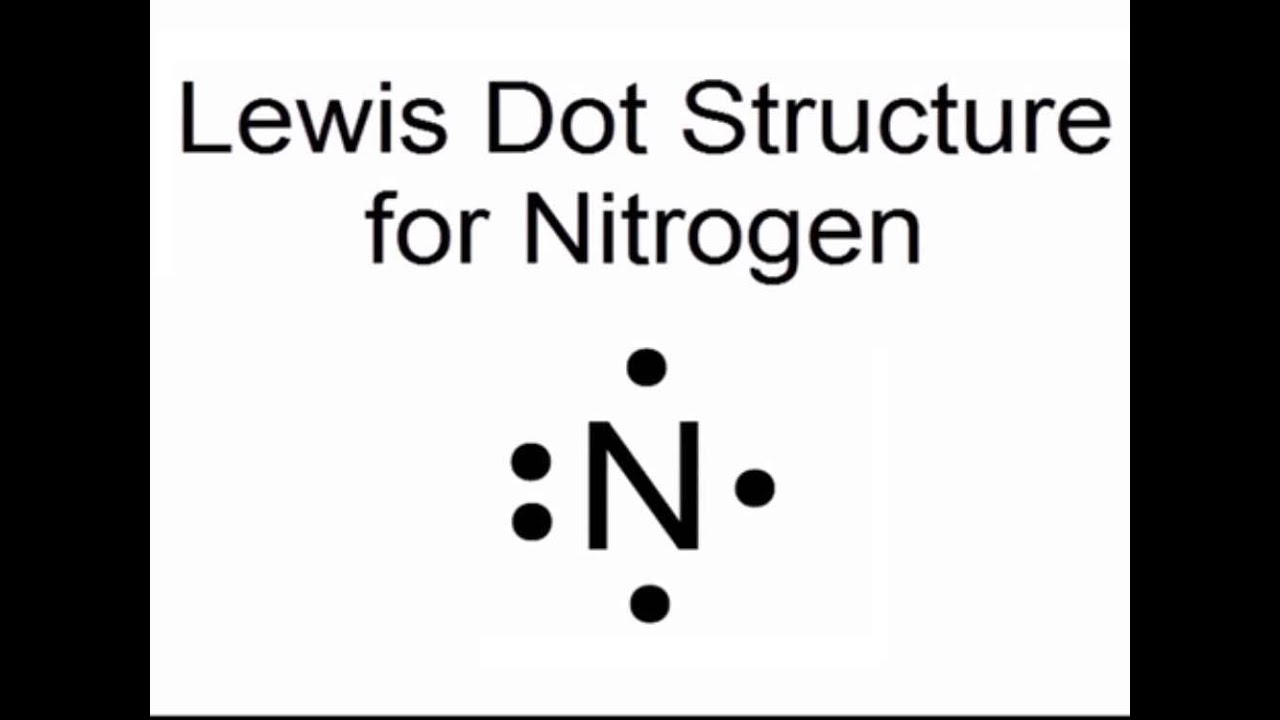
EX: Nitrogen is 1s2 2s2 2p3, meaning that it has 5 valence electrons (Highest energy level=2, 2s2 & 2p3, 2+3 = 5)
This means that 5 electrons will need to be accounted for.

Covalent Bonds, a bond between two nonmetal atoms.
Bond length is the distance between two nuclei. Measurement between the radius of the bonding atoms is less than the sum of the radii added together.

More Complex Lewis Dot Problems...

Sulfur trioxide
SO3

Sulfur has 6 valence electrons
Oxygen has 6 valence electrons, but there are 3 oxygen, so 3x6=18
Sulfur valence + Oxygen valence = 24 e-
So we begin our structure...
                                        
                                       O
                                        l
                                O -  S - O
And notice that there are three bonds, making six electrons accounted for. (2 per bond)
So that means out of our 24 e- we need to account for, 6 are taken care of just by bonds. However, there are still 18 e- that are unaccounted for. So we continue, adding electrons to the Oxygen...
                                      . .
                                    : O :
                                 . .    l    . .
                                :O - S - O:
                                 . .         . .
HEY! It looks done. But it's not. Sure all 24 electrons are accounted for, but S only has 6 electrons, not 8. This means we can double bond an oxygen, and recognizing that there will be resonance, it will look like, and variations of this
                                      . .
                                    : O :
                                 . .    l    . .
                                :O - S =O
                                 . .         . .


If you need a better tutorial, or a little more explanation, click here.